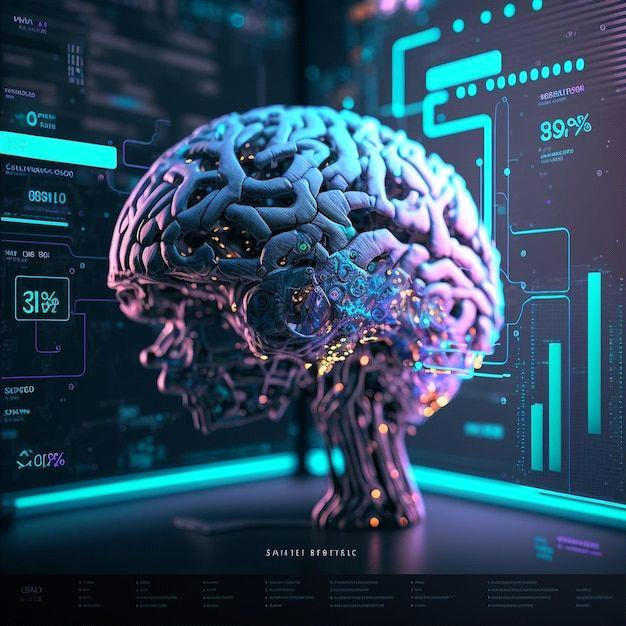
Artificial Intelligence (AI) has evolved rapidly in recent years, revolutionizing various aspects of everyday life. From personal assistants on smartphones to complex algorithms powering recommendation systems, AI has become ubiquitous. Here are some key advancements and their impact:
1.Personalized Recommendations: AI algorithms analyze vast amounts of data to provide personalized recommendations for products, services, and content. This enhances user experience and increases engagement on platforms like Netflix, Amazon, and Spotify.
2.Healthcare Innovation: AI is transforming healthcare through medical imaging analysis, predictive analytics for disease diagnosis, and personalized treatment plans. AI-powered chatbots also provide instant medical advice and support.
3.Autonomous Vehicles: AI enables the development of self-driving cars, promising safer and more efficient transportation. These vehicles utilize AI algorithms for navigation, object detection, and decision-making, potentially reducing accidents caused by human error.
4.Natural Language Processing (NLP): NLP technology, driven by AI, powers virtual assistants like Siri, Alexa, and Google Assistant. These assistants understand and respond to human language, facilitating hands-free interaction and improving productivity.
5.Financial Services: AI algorithms are used in fraud detection, risk assessment, and algorithmic trading in the financial sector. This enhances security, reduces operational costs, and optimizes investment strategies.
6.E-commerce and Customer Service: AI-driven chatbots provide instant customer support, handling inquiries, and resolving issues efficiently. Additionally, AI-powered recommendation systems increase sales by suggesting relevant products to customers.
7.Smart Home Technology: AI integrates with smart home devices to automate tasks, adjust settings based on user preferences, and enhance energy efficiency. Voice-controlled assistants and AI-powered home security systems offer convenience and peace of mind.
8.Education: AI-powered adaptive learning platforms personalize educational content and tailor learning experiences to individual student needs. This promotes better engagement and improves learning outcomes.
While AI brings numerous benefits, it also raises ethical concerns regarding privacy, job displacement, and algorithmic bias. Therefore, it’s crucial to continue discussing and regulating AI advancements to ensure they serve humanity’s best interests.